

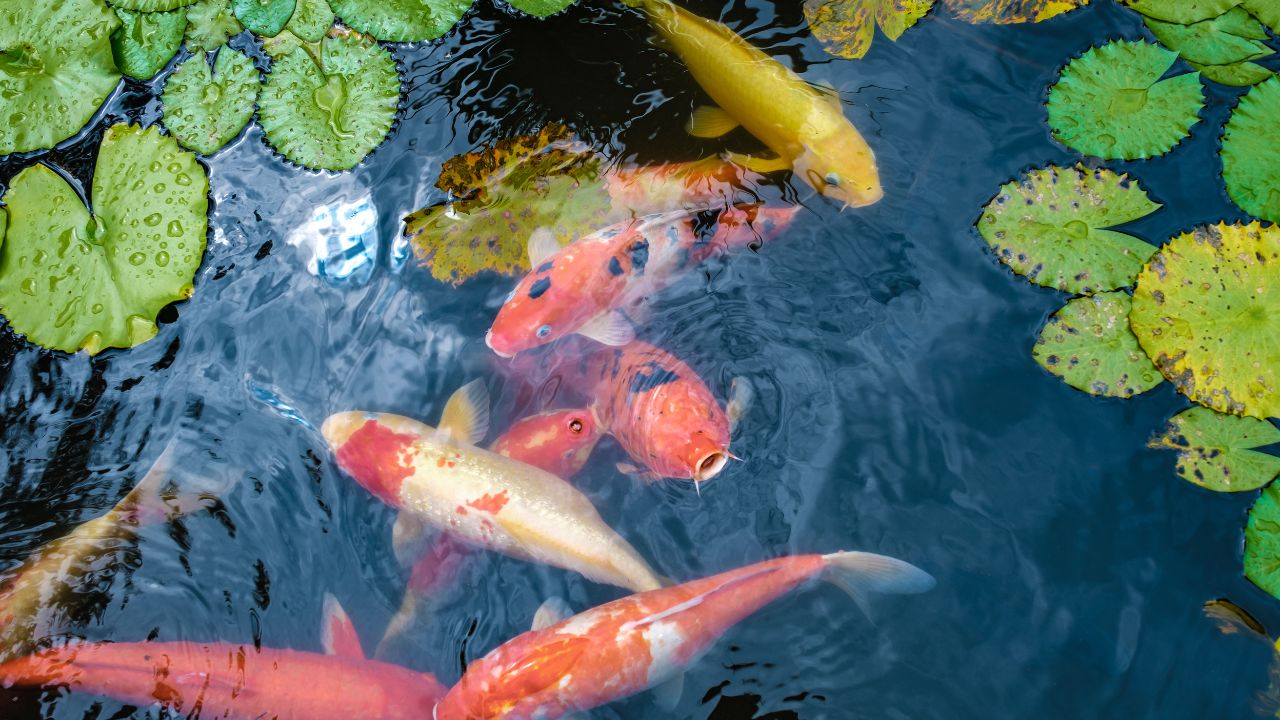
You finally found the perfect koi at the garden center—sleek, shimmering jewels that seem to beg for a place in your pond. But a nagging thought stops you at the checkout: Do I really have enough room for one more? Overstocking is the fastest way to turn a clear showcase into a cloudy, oxygen-starved mess. This guide shows you exactly how to match stocking levels to water volume, filtration, and the impressive growth potential of these living artworks—so you enjoy a vibrant pond koi collection without surprise casualties or emergency rebuilds.
Why This Question Matters
Unlike goldfish, koi never truly stop growing. A six-inch juvenile can reach 24 inches in just three to four years, doubling its oxygen demand and waste output along the way. Planning around adult size—not purchase size—protects:
- Water quality: Excess ammonia and nitrite can become lethal long before fish appear crowded.
- Filtration load: Biological media have limits; exceed them and toxins spike overnight.
- Fish health: Cramped koi develop stunted bodies, torn fins, and higher disease risk.
- Energy costs—or lack thereof: Poposoap solar pond filters and solar pond aerators can handle high bioloads without adding a cent to your bill, but they still have flow limits.
Understanding the Growth Potential of Koi

Most standard varieties (Kohaku, Showa, Sanke) top out around 20–28 inches in well-managed ponds; jumbo bloodlines can exceed 30 inches. Growth brings:
- A five- to eight-fold increase in daily waste compared with the juvenile stage.
- Higher dissolved-oxygen demand—especially at night or above 82 °F (28 °C).
- Greater swimming range; big koi scrape delicate scales if quarters are tight.
Treat every fingerling as the adult it will become, not the pet-store youngster in your bag.
The “Gallon Rule” —Why It’s Flawed (but Still Useful)
Hobbyists often repeat simple formulas such as “one inch of koi per ten gallons” or “250 gallons per adult koi.” These rules succeed in one respect: they prod new keepers to consider pond size before buying fish, pushing them toward larger volumes rather than tiny tubs. Unfortunately, the same shortcuts ignore crucial variables:
- Filtration efficiency: Two ponds of equal gallons behave very differently if one has a high-flow bio-filter and the other relies on a single sponge.
- Depth and surface area: A deep, shaded pond can house more koi than a shallow sun-bowl of identical volume because temperature and oxygen remain steadier.
- Aeration and flow: Ponds powered by Poposoap solar water pumps, aerators, and waterfall spillways can sustain heavier stocking thanks to continuous oxygenation and rapid waste removal.
- Individual growth rates: A 24-inch female produces far more waste than a 16-inch male, rendering linear inch-per-gallon math unreliable.
So, use the gallon rule as a rough starting line—then refine your stocking plan with the real-world factors in Sections 4 and 5.
Use the Poposoap Pond Calculator to calculate your pond size.
How Many Koi for Different Pond Sizes?

| Pond Size | Recommended Koi Capacity | Notes |
|---|---|---|
| 50 gallons (≈190 L) | 0 adult koi | Not suitable for koi beyond a brief quarantine period. |
| 500 gallons (≈1,900 L, 3 ft deep) | Up to 1 adult koi | Can house 2 juveniles temporarily, but ultimately no more than 1 adult. |
| 1,000 litres (≈265 gallons) | 1 small koi | Suitable for a single season only; expand the pond or re-home the fish before it exceeds 8 inches. |
| 1,500 gallons (≈5,700 L, 4 ft deep) | 4–5 adult koi | Requires effective aeration and filtration. |
| 3,000 gallons and above | 8–12 adult koi | Capacity depends on depth, plant coverage, and maintaining a full water turnover every 90 minutes. |
If your dream list overshoots those figures, plan an upgrade before adding fish.
Key Factors That Influence Koi Capacity
- Filtration flow & media volume – Poposoap tip: a 55W Solar Pond Filter moves up to 580 GPH, turning a 1200-gallon pond once every two hours while layered foams and ceramic rings detoxify ammonia.
- Aeration – floating solar aerators or LED fountains lift oxygen where grid power is absent.
- Waterfall movement – a Poposoap spillway strips CO₂ and adds surface agitation.
- Depth & shade – deeper, cooler ponds buffer temperature swings and stress.
- Feeding & plant load – lighter feeding and ample lilies reduce nutrient spikes.
Signs You Have Too Many Koi

Persistent green or brown water, filter pads clogging in days, fish gasping at the surface, protein foam on the edges, measurable nitrite or ammonia, and frequent fin nips all shout overstocking.
Expanding Capacity Without Rebuilding
- Deploy additional solar pond aerators to lift dissolved oxygen.
- Upgrade to larger, multi-chamber Poposoap filter boxes.
- Add a gravel bog filter for biological polishing.
- Reduce feeding to keep ammonia down.
- Re-home surplus koi as they outgrow the pond.
Conclusion: Plan Now, So Your Koi Thrive Later
The real answer to “how many koi fish per gallon?” lives at the crossroads of volume, depth, filtration, and aeration—not any single Internet rule. Start conservatively, power your pond with Poposoap solar tech, and watch growth closely. If in doubt, under-stock or expand; your koi will reward the space with radiant color and calm cruising—no silent overcrowding stress in sight.
READ MORE: How Big Do Koi Get?

55W 580GPH Solar Waterfall Pump Kit with 8" Spillway
$218.99
55W Folding Solar Panel for Efficient Power. Zero electricity cost, no outlet reliance, clogging, high maintenance, noisy operation, and hard installation, keeping water clear for fish and plants.
Frequently Asked Questions
How many adult koi can I keep in a 500-gallon pond?
You can safely keep up to 1 adult koi in a 500-gallon pond.
What are signs of an overstocked koi pond?
Green water, gasping fish, clogged filters and ammonia spikes are key signs.
How to boost koi capacity without rebuilding?
Add solar aeration, upgrade filters, reduce feeding and re-home fish.


Leave a comment
All comments are moderated before being published.
This site is protected by hCaptcha and the hCaptcha Privacy Policy and Terms of Service apply.